Description | TSLP rabbit polyclonal | Full Name: | Thymic stromal lymphopoietin | Synonyms | Thymic stroma-derived lymphopoietin, Tslp, TSLP protein, thymic stromal lymphopoietin | Immunogen: | Recombinantproteincorrespondingto Mouse TSLP | Isotype | IgG | Purity: | Affinity purification | Subcellular location | Secreted | Uniprot ID: | Q9JIE6 |
Product Usage Information Applications | Species | Dilution | Positive tissue | IHC | Mouse, Rat | 1: 500-1: 1500 | lung, brain, skin, heart | IF | Mouse, Rat | 1: 500-1: 1000 | prostate, lung |
Background TSLP is a 159 amino acid four helix-bundle hemopoietic cytokine that signals through a heterodimeric receptor complex consisting of the human TSLP receptor and the IL-7R alpha-chain. It impacts myeloid cells and induces the release of T cell-attracting chemokines from monocytes, enhances the maturation of CD11c ( ) dendritic cells, naive CD4 ( ), and CD8 ( ) T cells into proallergic effectors, and primes dendritic cells to produce large amounts of IL-12 after CD40 ligand stimulation. TSLP influences the regulation of the positive selection of regulatory T cells and maintenance of peripheral CD4 ( ) T cell homeostasis. It induces allergic inflammation by directly activating mast cells and may be involved in the pathophysiology of inflammatory arthritis.
Images 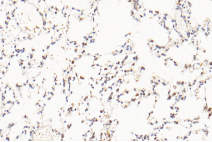
|
Immunohistochemistry analysis of paraffin-embedded mouse lung using TSLP(GB111664) at dilution of 1: 1000 | 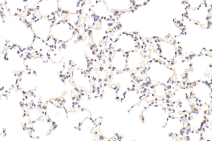
|
Immunohistochemistry analysis of paraffin-embedded rat lung using TSLP(GB111664) at dilution of 1: 1000 | 
|
Immunohistochemistry analysis of paraffin-embedded mouse brain using TSLP(GB111664) at dilution of 1: 1000 | 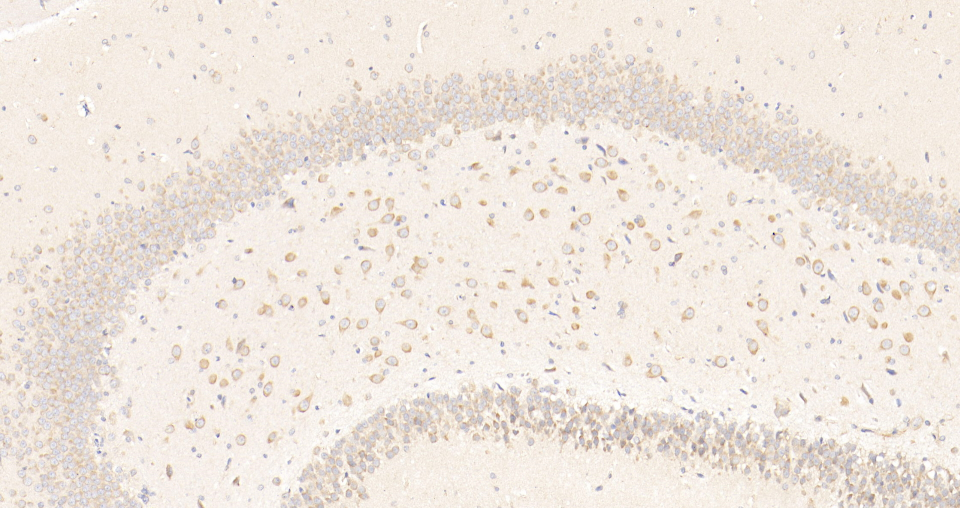
|
Immunohistochemistry analysis of paraffin-embedded rat brain using TSLP(GB111664) at dilution of 1: 1000 | 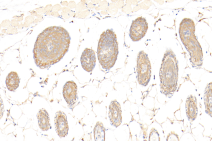
|
Immunohistochemistry analysis of paraffin-embedded mouse skin using TSLP(GB111664) at dilution of 1: 1000 | 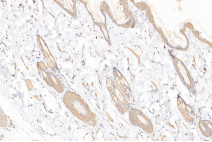
|
Immunohistochemistry analysis of paraffin-embedded rat skin using TSLP(GB111664) at dilution of 1: 1000 | 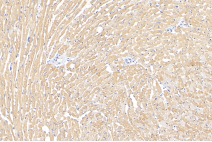
|
Immunohistochemistry analysis of paraffin-embedded rat skin using TSLP(GB111664) at dilution of 1: 1000 | 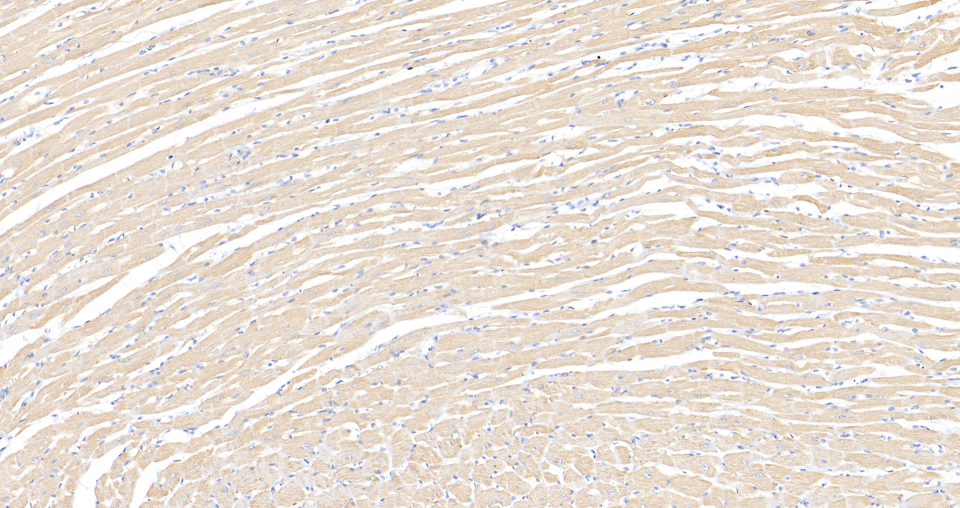
|
Immunohistochemistry analysis of paraffin-embedded rat heart using TSLP(GB111664) at dilution of 1: 1000 | 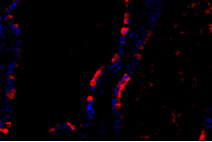
| Immunofluorescent analysis of paraformaldehyde-fixed mouse prostate using TSLP (GB111664) at dilution of 1: 650 | 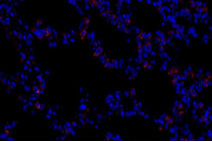
| Immunofluorescent analysis of paraformaldehyde-fixed rat lung using TSLP (GB111664) at dilution of 1: 650 |
Storage | Storage | Store at -20°C for one year. Avoid repeated freeze/thaw cycles. | | Storage Buffer | PBS with 0.02%sodium azide,100 μg/ml BSA and 50% glycerol. |
|